Fire safety is a crucial aspect of protecting life and property, and one of the most effective ways to prepare for unexpected fires is by understanding the different types of extinguishers available. Each type of extinguisher is designed to combat specific classes of fires, making it essential to choose the correct one for your building’s requirements. In this guide, we’ll explore the main types of extinguishers, their uses, and when to deploy each one to maximize fire safety.
1. Water Fire Extinguishers
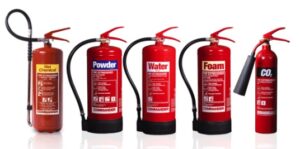
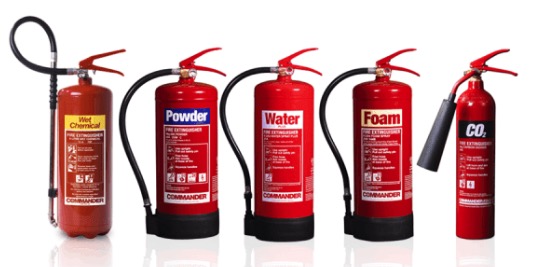
Water fire extinguishers are among the most common and straightforward types of extinguishers, ideal for Class A fires involving combustible materials like wood, paper, textiles, and certain plastics. These extinguishers work by cooling the flames, effectively reducing the fire’s temperature until it is extinguished.
While water fire extinguishers are effective against solid combustibles, they are unsuitable for fires involving electrical equipment, oils, or flammable liquids. Using a water extinguisher on these types of fires can spread flames or cause a reaction that worsens the situation. Water extinguishers are best for areas such as offices, schools, and warehouses where Class A fire risks are prevalent.
2. Foam Fire Extinguishers
Foam fire extinguishers are versatile and work effectively on both Class A and Class B fires. Class B fires involve flammable liquids like gasoline, oils, or solvents, which can spread if not contained properly. Foam extinguishers create a blanket of foam over the burning substance, smothering the flames and preventing re-ignition.
Since foam extinguishers offer coverage for two classes of fires, they are a valuable asset in places like garages, factories, and commercial kitchens where solid and liquid combustible materials may be present. However, foam extinguishers are not recommended for fires involving electrical equipment due to the risk of electrical conduction.
3. Dry Powder Fire Extinguishers
Dry powder fire extinguishers, also known as ABC extinguishers, are extremely versatile. They can be used on Class A, Class B, and Class C fires (those involving flammable gases like propane or butane). The dry powder in these types of extinguishers works by smothering flames and interrupting the chemical reactions that sustain the fire.
This extinguisher’s versatility makes it a suitable choice for environments where multiple fire risks are present. However, dry powder extinguishers are not ideal for indoor areas due to the residue they leave behind, which can damage sensitive equipment. These extinguishers are best suited for garages, workshops, and areas with mixed fire risks.
4. Carbon Dioxide (CO₂) Fire Extinguishers
Carbon dioxide fire extinguishers are designed primarily for Class B and electrical fires. They work by displacing the oxygen that fuels the fire and are especially effective on electrical fires because CO₂ is non-conductive and leaves no residue. This makes CO₂ extinguishers a valuable tool in environments with delicate electronics, such as server rooms, laboratories, and offices.
One thing to keep in mind with carbon dioxide extinguishers is that they have a shorter discharge time than other types of extinguishers and can be affected by wind or open spaces. Proper training is recommended to ensure that the extinguisher is used effectively in an emergency.
5. Wet Chemical Fire Extinguishers
Wet chemical fire extinguishers are specifically designed for Class F fires, which involve cooking oils and fats. This type of extinguisher uses a specialized chemical to cool the flames and form a layer over the hot oil or fat, cutting off the fire’s oxygen supply and preventing re-ignition.
Wet chemical extinguishers are essential in commercial kitchens, restaurants, and any food preparation areas where deep-fat fryers are used. However, they should not be used on fires outside of Class F, as the chemical is specifically formulated for oil and fat fires and may not be effective on other materials.
6. Specialist Fire Extinguishers
In some high-risk environments, standard extinguishers may not be adequate for the types of fire hazards present. Specialist extinguishers, such as those designed for Class D fires (involving flammable metals like magnesium or titanium), are available to address these unique situations. These extinguishers often contain dry powder formulas specifically tailored to the reactive nature of certain metals.
Specialist extinguishers are typically found in industrial settings and laboratories where flammable metals are frequently used. It is essential to have the correct type of extinguisher for these high-risk environments, as using an incorrect extinguisher could lead to a hazardous reaction.
How to Choose the Right Type of Extinguisher for Your Building
Selecting the right types of extinguishers for your building is essential for effective fire safety and regulatory compliance. Here are a few considerations to help guide your decision:
- Identify fire risks: Determine the types of materials and fuels that could potentially ignite in your environment.
- Consider compliance: Ensure that your extinguisher types meet local safety regulations and codes.
- Training and education: Make sure that your staff are trained in the correct use of each type of extinguisher to prevent misuse during an emergency.
- Placement and accessibility: Fire extinguishers should be located in easily accessible spots, and appropriate signage should be used to identify the types of extinguishers and their intended uses.
Get Expert Guidance on Fire and Safety Services in Abu Dhabi
Understanding the different types of extinguishers and their specific uses is essential for a solid fire safety plan. Whether you need water, foam, dry powder, carbon dioxide, wet chemical, or specialist extinguishers, having the correct type readily available can make a critical difference in an emergency.
For businesses in Abu Dhabi, Al Hudhud Consultancy offers expert fire and safety services, including guidance on selecting the appropriate types of extinguishers, ensuring compliance with Civil Defense standards, and providing essential fire protection solutions. Contact us today to enhance your building’s fire safety measures and ensure a safe, compliant environment.